History
Brick Masonry in Canada: From Early Kilns to the Modern Urban Streetscape
How brick became the dominant building material in Canadian cities, and why so many late 19th-century and early 20th-century structures survive today.
Brick Architecture & Heritage Preservation — Canada
This reference covers brick masonry construction methods, how heritage designation works under provincial and federal frameworks, and what restoration of older urban buildings actually involves.

Gooderham Building, Toronto, Ontario. Wikimedia Commons / CC BY-SA
The Canadian Register of Historic Places lists more than 22,000 entries spanning residential blocks, commercial streetscapes, industrial warehouses, and civic buildings — the majority constructed from fired clay brick. Understanding how those designations work, what protections they carry, and what maintenance they require matters for anyone involved with older buildings in a Canadian urban context.
Read About DesignationReference Articles
Three in-depth articles on brick masonry history, the heritage designation process in Canada, and practical approaches to restoring older brick buildings.
History
How brick became the dominant building material in Canadian cities, and why so many late 19th-century and early 20th-century structures survive today.

Designation
A breakdown of the three overlapping layers of heritage protection in Canada — what each level covers, how properties are assessed, and what designation actually restricts.

Restoration
A practical overview of common brick deterioration patterns and the accepted restoration methods used on heritage structures in Canadian urban settings.
22,000+
Properties on the Canadian Register of Historic Places
1880s
Peak decade for fired-clay brick construction in Ontario and Quebec
150+
Years typical service life of quality hard-fired brick masonry
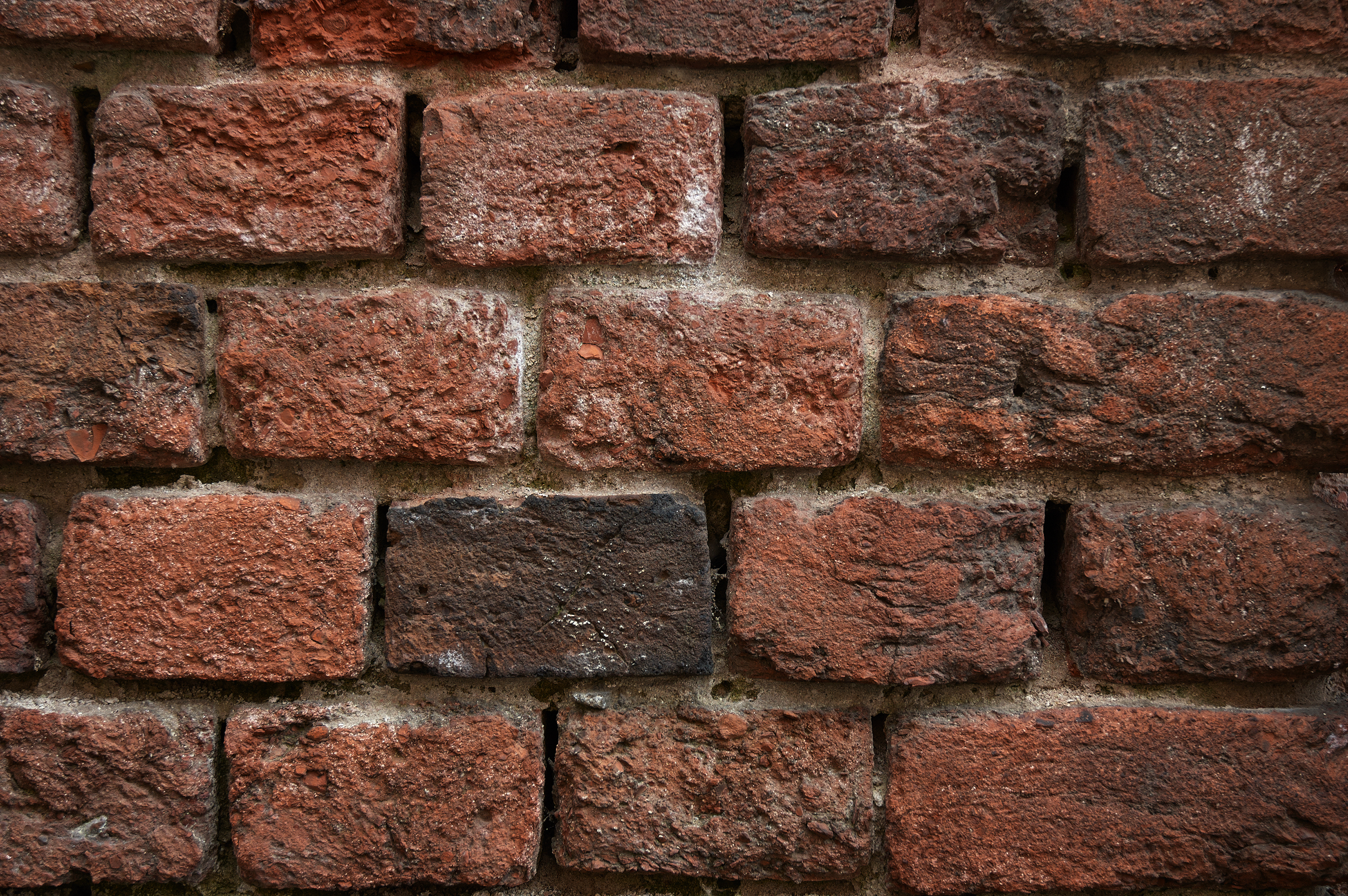
Fired clay brick tolerates wide freeze-thaw cycles, sheds moisture more reliably than many modern cladding materials, and accumulates a patina that distinguishes older neighbourhoods from newer construction. The same properties that made brick the material of choice for Toronto warehouses, Montreal rowhouses, and Winnipeg commercial blocks in the late 1800s are still cited by preservation engineers today when assessing whether a building envelope is worth retaining.
Brick History OverviewKey Areas
Masonry History
The origins of brick production in Canada, regional kiln industries, the shift from load-bearing to veneer construction, and the materials that define particular eras of urban building.
Heritage Designation
How the Ontario Heritage Act, Quebec's Cultural Heritage Act, the Federal Heritage Buildings Review Office, and municipal by-laws interact — and what designation means practically for a property owner.
Restoration Techniques
Repointing mortar joints with lime-based mortars, cleaning brick without acid damage, replacing spalled units, and addressing efflorescence, staining, and structural cracking.
Contact
If you have a correction, a topic suggestion, or a question about a heritage brick building in your area, use the form below. Responses typically go out within three business days.
The articles on this site are written for building owners, history students, municipal planners, and anyone curious about how older Canadian urban buildings were constructed and how they are maintained today.
Start With Brick History